


Pickleball is an exhilarating sport that demands a combination of skill, strategy, and finesse. To take your game to the next level, it's essential to master various techniques that can help you execute winning shots and outsmart your opponents. In this comprehensive guide, we'll explore an array of techniques, from proper grip and stance to effective serving and shot selection. Whether you're a beginner looking to improve or an experienced player seeking advanced strategies, this article will provide you with valuable insights and tips to enhance your pickleball performance.
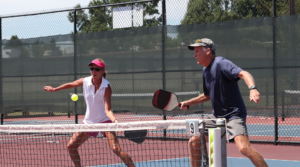
1. The Fundamentals: Grip and Stance
A strong foundation is crucial for mastering any sport, and pickleball is no exception. Start by adopting the correct grip on your paddle. The most common grips are the Eastern and Continental grips. Experiment with both to find the one that provides the most control and comfort for your playing style.
Next, focus on your stance. A balanced and athletic stance is vital for quick movements and optimal shot execution. Keep your feet shoulder-width apart, knees slightly bent, and weight evenly distributed. This stance will provide stability and allow you to move efficiently around the court.
2. The Serve: Power and Placement
A well-executed serve can set the tone for the entire point. To maximize power and accuracy in your serve, adopt a reduced forehand motion and generate power from your legs and core. Aim to strike the ball with a slight topspin to ensure it clears the net and lands deep within the opponent's court.
Vary your serve placement to keep your opponents guessing. Experiment with serving down the middle, aiming for the corners, or targeting the opponent's weak side. By varying your serves, you'll create opportunities to dictate the pace and direction of the game.
3. Volleys: Control and Precision
Mastering volleys is crucial for maintaining control during fast-paced exchanges in the no-volley zone (the "kitchen"). Focus on keeping your paddle in front of you and making contact with the ball at or above net height. This technique reduces the distance the ball travels, allowing you to maintain control in the kitchen.
Practice soft volleys, also known as "dinks," which involve delicately placing the ball just over the net with minimal force. The dink is an effective strategy to put your opponents on the defensive and set up winning shots.
Additionally, develop your reflexes and hand-eye coordination by practicing quick reflex volleys. These shots require fast reactions and precise paddle placement, allowing you to return challenging shots with speed and accuracy.
4. Groundstrokes: Power and Spin
Groundstrokes are essential shots that allow you to engage in rallies from the baseline and take control of the point. To generate power, utilize a combination of your legs, core, and arm rotation. A well-timed weight transfer from your back foot to your front foot will add extra power to your shots.
Experiment with different spins, such as topspin and slice, to add variety to your groundstrokes. Topspin creates a downward trajectory, making it difficult for opponents to return the ball effectively. Slice, on the other hand, creates backspin, which can result in low, skidding shots that are challenging to handle.
5. Overheads: Aggression and Accuracy
The overhead smash is a powerful offensive shot that can turn the tide of a rally in your favor. To execute a successful overhead, position yourself correctly under the ball, with your non-dominant hand pointing upward to track the ball's trajectory. Use an explosive upward motion, aiming to make contact at the highest point possible. The key is to generate downward force, sending the ball sharply into the opponent's court with power and accuracy.
Practice your timing and footwork to position yourself optimally for overheads. Anticipate high balls or weak returns to create the perfect opportunity for an overhead smash. Remember to maintain control and accuracy even in the midst of your aggressive shot.
6. Specialty Shots: Drops and Lobs
Mastering specialty shots can give you an edge over your opponents. The drop shot is a strategic shot that involves delicately placing the ball just over the net, enticing your opponents to move forward and setting up opportunities for winning shots. Focus on touch and finesse when executing drop shots, using a light grip and minimal force.
Lobs, on the other hand, are high shots that can surprise opponents. A well-executed lob can push your opponents back and create space for you to take control of the point. Practice your timing and aim to send the ball high above your opponent's reach.
Conclusion
Mastering pickleball techniques requires a combination of practice, strategy, and adaptability. By focusing on fundamental skills such as grip, stance, and shot execution, you can enhance your overall performance on the court. Remember to vary your serves, utilize effective volleys, and strategically employ groundstrokes and overheads. Additionally, incorporating specialty shots like drops and lobs can add depth and unpredictability to your game. With dedication and consistent practice, you'll sharpen your skills and increase your chances of executing winning shots and achieving success in pickleball.
Now that you've mastered pickleball techniques, learn about strategies to improve your game and outsmart your opponents.
